Voice Data and AI Can Revolutionize Healthcare
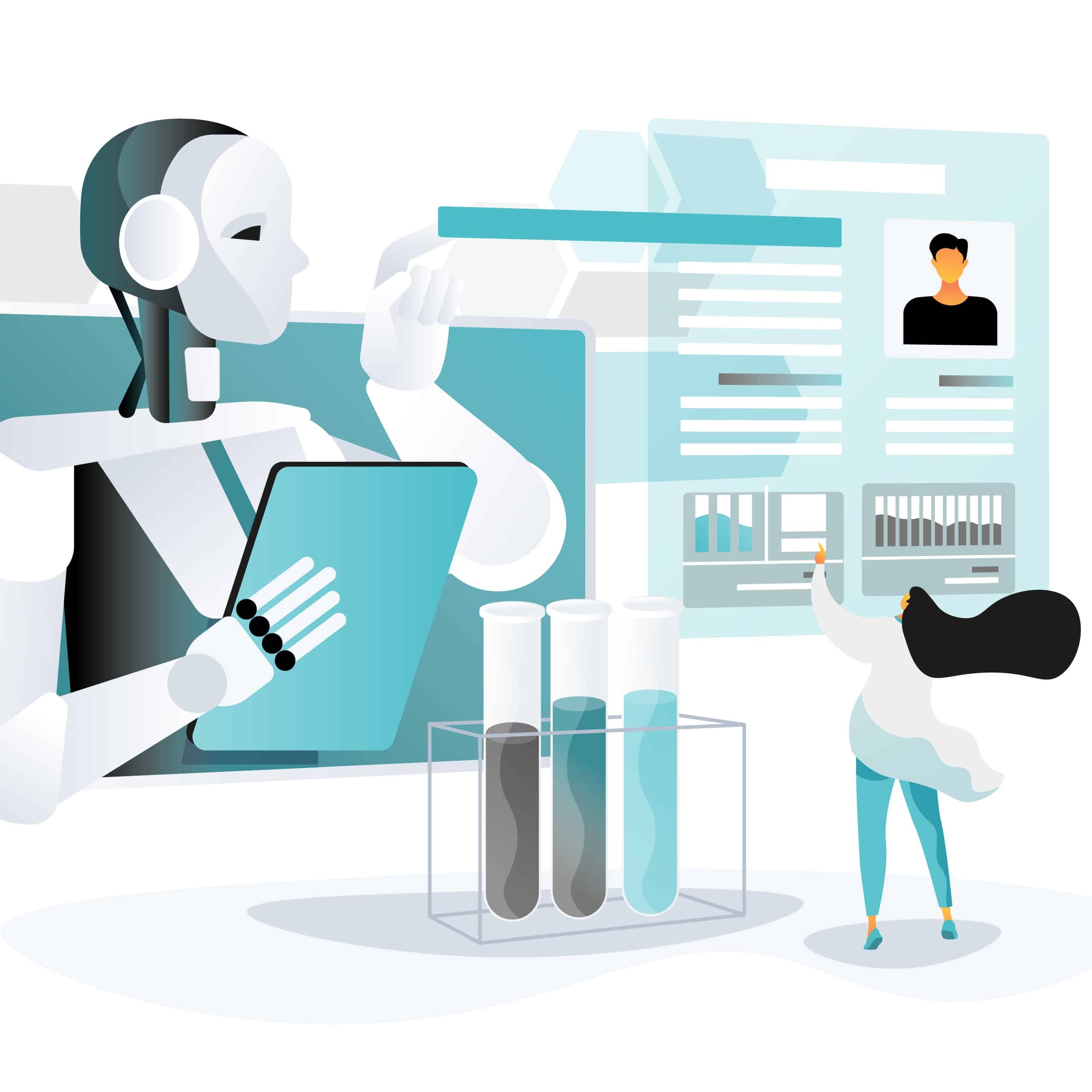
Detailed analysis of voice data can provide a great deal of unexplored data, streamlining patient care and helping patients get better treatment. Textual data is used primarily in the healthcare industry for handling EHRs, but speech data is far superior as it can help understand the mood of the patient and the way their case is handled. By integrating AI models trained on voice conversation, the healthcare industry can improve patient care by understanding symptoms, performing a thorough and quick diagnosis, and boosting CX. Integrating superior AI solutions like Microsoft Copilot can boost ROI by up to 300% as AI automates EHRs and other administrative tasks.
AI Applications in Healthcare
AI assistants using the power of conversational datasets have the potential to transform healthcare delivery in several key areas.
1. Improved Omnichannel Support
Merging conversational records with AI solutions can help provide omnichannel support the right way. Patients no longer expect to get their queries answered over the phone only. With solutions like Microsoft 365 offering superior business chat and many other channels, it's important for healthcare providers to answer patients' queries with an omnichannel strategy. For example, in an emergency call, AI trained on voice data can understand the sentiments of the caller and sense their need for emergency care to provide treatment steps fit for the caller's needs.
2. Realtime Call Translation
It is estimated that around 22% of the U.S. population speak a language other than English—so without multilingual support, you're not serving nearly 1 in 5 people. Microsoft Teams offers live translation features that enable healthcare providers to serve more people. Azure AI Speech is another example of an end-to-end translated voice communication approach, answering patients' queries in real-time regardless of language. Datasets of calls can be used to fine-tune LLMs and ensure AI can understand vernacular and compare it with existing healthcare data.
3. Nuanced Patient Care
According to NIH, physicians on average spend 62% of time per patient exploring EHRs. Voice-data-trained AI solutions compliant with HIPAA can help physicians save time reviewing EHRs and propose personalized care. For example, AI can log into the EHRs of two patients with the same medical condition and generate personalized recovery roadmaps, considering individual factors. Tools like Microsoft Copilot's Conversation Summary feature help primary care providers grasp a patient's needs and provide personalized care right away.
4. Enhanced Productivity
Implementing solutions like Microsoft Copilot for healthcare makes it easier for customer support teams to track KPIs and develop future-proof strategies. As phone calls contribute to around 88% of healthcare appointments, the voice corpus collected from customer interactions can be used to gather conversational data. This data can be harnessed to find intent data (reasons for calls en masse), gather sentiment data (actionable CSAT insights), and collect entity data (to automate conversational processes)—enabling conversational analytics and automation for better decision-making.
5. Seamless Call Routing
Voice data is more reliable as it provides nuanced information like mood and tone of conversation along with factual points. By fusing AI with such a dataset, healthcare providers can manage 24/7 customer support with intelligent call routing. AI solutions can also help with backend management of available support resources—for example, instantly identifying whether a patient needs to be routed to an expert or can be satisfied by handling their specific query.
6. Sophisticated Data Protection
Personal Health Information (PHI) and Personally Identifiable Information (PII) are data points in EHRs that must be stored and used carefully. Improper handling can have legal consequences. You can ensure the safety of sensitive patient data by relying on AI models, which also keep bad actors at bay with superior fraud prevention. For example, using Copilot with Microsoft Purview can identify PHI and PII within voice data and assign Sensitivity Labels to safeguard sensitive information. As Copilot can find information from calls, messages, emails, and videos, it can guarantee PHI/PII redaction.
Examples of AI Usage in Healthcare
Several healthcare providers have integrated AI into their workflow. For example, Babylon Health and Mayo Clinic have LLM-powered chatbots to perform symptom analysis. ResApp Health launched a mobile app that uses AI to analyze cough sounds and diagnose respiratory conditions, while NeuroLex Diagnostics has employed LLMs to detect neurological conditions through speech analysis. These examples show how integrating AI in healthcare can help solve some of the industry's biggest challenges.
Conclusion
Voice data can be turned into a data goldmine with the help of AI models. Healthcare companies can rely on AI to provide next-gen patient care solutions that harness the power of LLMs and Extended Reality. Ensure you choose AI models with stronger algorithms and better datasets. If you're interested in training AI with conversational data, you can start by migrating to Microsoft Voice to provide unique support to patients.

Make your oldest system your smartest.
The fastest way to turn complex technical information into clear, actionable intelligence.