Teams Phone Standard vs. Teams Phone With Calling Plan Explained

Quick Summary
What are the differences between Microsoft Teams Phone Standard and Teams Phone with Calling Plan? And how can you decide which option best suits your company's needs based on the different key features, pricing, and the pros and cons of each solution? For more details, visit our resources page for expert advice and support from ZIRO.
Choosing the Right Microsoft Teams Phone Solution
Microsoft Teams offers two distinct options for cloud-based communication—Teams Phone Standard and Teams Phone with Calling Plan. But how do you decide which is the best fit for your organization? In this ZIRO guide, we'll break down the features, costs, and benefits of each solution to help you make an informed decision and optimize your business communications.
Teams Phone Standard vs. Teams Phone with Calling Plan: An Overview
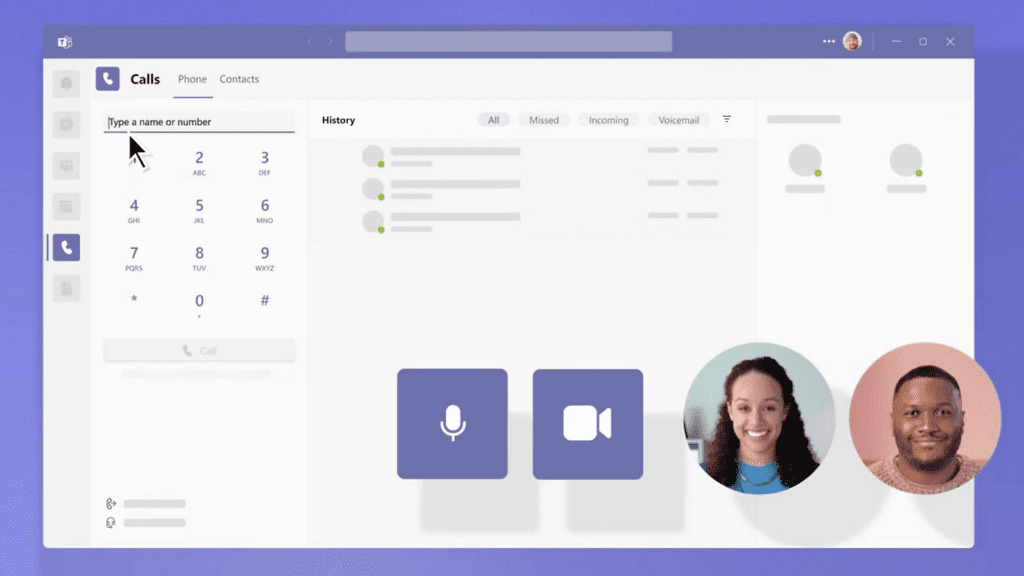
Microsoft Teams Phone offers two primary options for adding calling capabilities to your Teams environment: Teams Phone Standard and Teams Phone with Calling Plan. While both solutions enhance communications within Microsoft Teams, they differ significantly in terms of setup, management, and usage.
- Teams Phone Standard is designed for businesses that want to integrate their existing telephony infrastructure with Microsoft Teams. It relies on features like Direct Routing or Operator Connect, allowing organizations to bring their own telecom provider. This option offers greater flexibility and control, making it ideal for businesses with specific telephony needs or existing carrier contracts.
- Teams Phone with Calling Plan is an all-in-one solution where Microsoft provides both the calling infrastructure and phone numbers. This approach simplifies deployment, as Microsoft manages the PSTN connectivity directly. It's best suited for small to medium-sized businesses looking for a quick, streamlined setup without the need to manage external carriers or complex configurations.
What Is Microsoft Teams Phone Standard?
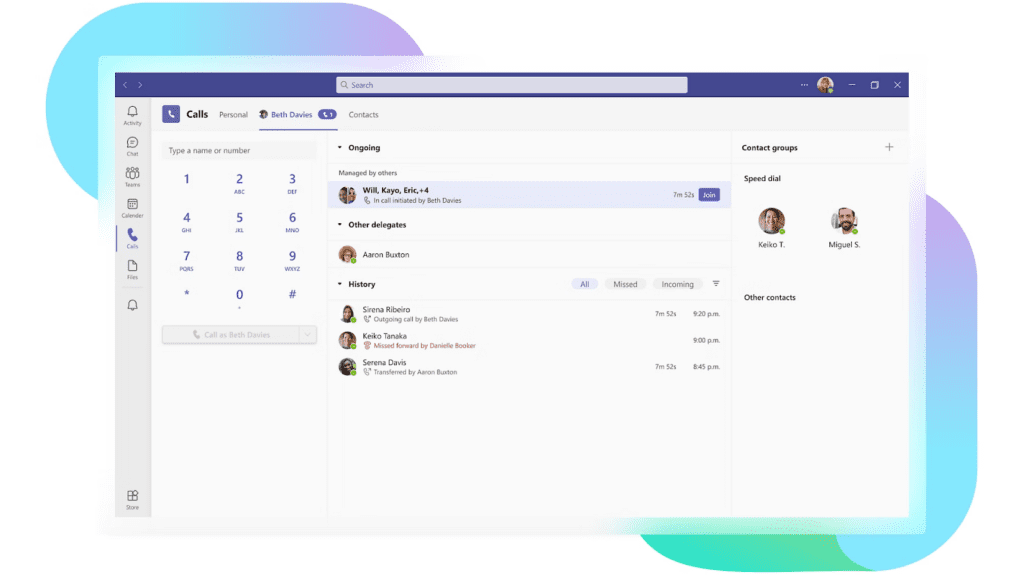
Microsoft Teams Phone Standard is an add-on feature for Microsoft Teams that enables businesses to integrate voice calling capabilities into their Teams environment. With Teams Phone Standard, companies can connect their existing telephony infrastructure—such as their traditional PBX or a third-party telecom provider.
Key Features: Direct Routing support (connect your own carrier); Operator Connect integration (simplified connectivity via certified providers); BYOC to retain existing carrier contracts and numbers; and advanced call features including voicemail, call queues, auto-attendants, and call transfers.
Pricing: the Teams Phone Standard license requires an additional monthly fee per user (typically around $8); Direct Routing or Operator Connect costs vary by provider (SIP trunking fees and configuration). Overall costs can be more economical if leveraging existing carrier agreements or managing large user bases.
Pros: carrier flexibility; advanced customization over call routing; cost efficiency for businesses with existing contracts; and global reach where Microsoft Calling Plans aren't available. Cons: complex setup (Direct Routing or Operator Connect configuration); and management overhead for carrier contracts, SIP trunks, and equipment.
What Is Microsoft Teams Phone with Calling Plan?
Microsoft Teams Phone with Calling Plan is a complete, cloud-based phone system integrated into Microsoft Teams. It allows businesses to make and receive calls to external phone numbers, including landlines and mobiles, by leveraging Microsoft's own calling infrastructure. Unlike Teams Phone Standard, which requires third-party telecom providers, Teams Phone with Calling Plan is a fully managed solution where Microsoft handles both the phone numbers and PSTN connectivity.
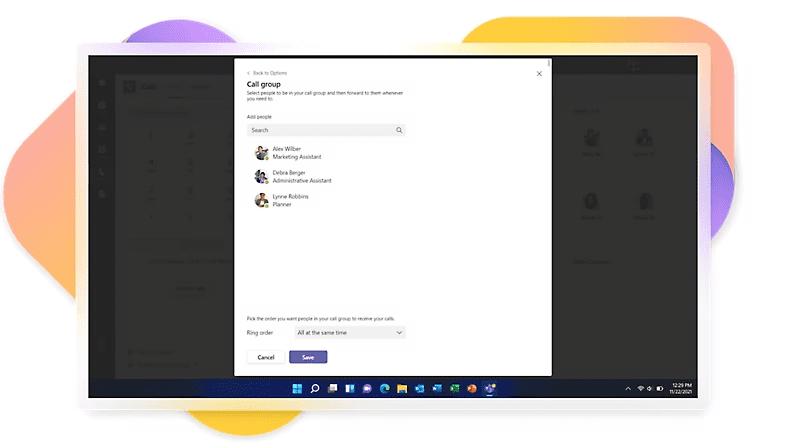
Key Features: integrated calling plan (Microsoft manages PSTN connectivity); simplified setup with a Microsoft-provided phone number; domestic and international minute packages; and an all-in-one solution that simplifies billing within Microsoft 365.
Pricing: the license fee includes Teams Phone Standard plus the calling plan, usually around $15 to $20 per user/month; domestic and international calling plans add set minute blocks. Overall costs are predictable but may be higher than Direct Routing depending on usage and region.
Pros: simplified deployment; unified billing within Microsoft 365; ideal for SMBs; and predictable costs. Cons: limited carrier choice; potentially higher calling costs by region; and geographic availability limits for global organizations.
Key Differences
Telecom Provider Management: Teams Phone Standard lets businesses use their own provider via Direct Routing or Operator Connect; Teams Phone with Calling Plan has Microsoft fully manage the calling infrastructure. Setup and Configuration: Standard requires more complex configuration; Calling Plan offers a simpler all-in-one setup where Microsoft provisions numbers. Flexibility and Customization: Standard provides greater flexibility and advanced call routing; Calling Plan offers a streamlined, out-of-the-box solution with fewer customization options.
Making the Right Choice for Your Teams Phone Solution
Choosing between Microsoft Teams Phone Standard and Teams Phone with Calling Plan depends on your organization's needs. Teams Phone Standard offers flexibility to integrate your telecom provider and is best for businesses needing control over call routing or operating in regions without Microsoft Calling Plans. Teams Phone with Calling Plan provides an all-in-one, simplified setup managed by Microsoft and works well for small to medium-sized businesses looking for a quick setup and unified billing. Not sure which is right for you? ZIRO can help. Contact us today to explore how we can optimize your Teams Phone solution.

Make your oldest system your smartest.
The fastest way to turn complex technical information into clear, actionable intelligence.